
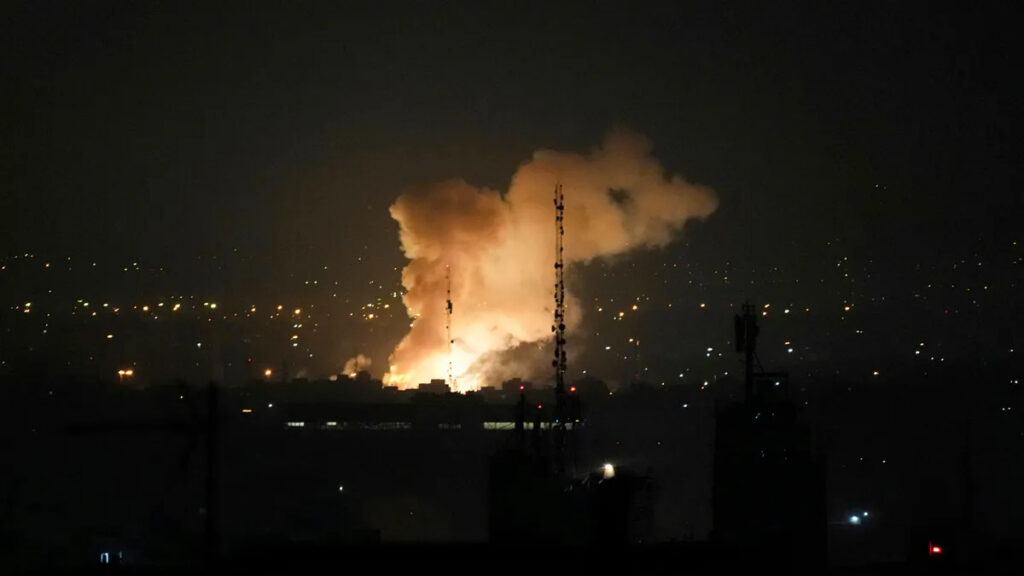
New Strikes & Widening War in the Middle East
A sharp military escalation erupted this weekend as Israel and the United States launched new joint strikes on Iran, marking one of the most serious confrontations in years between Tehran and Western powers. The offensive — described by military commentators as a large-scale operation — is continuing into its second day with major combat actions reported across Iranian territory and retaliatory strikes by Iranian forces targeting Israel and U.S. military positions in the Gulf region.
According to reports, the coordinated strikes have hit multiple Iranian provinces, including the capital, Tehran, with explosions and surface-to-surface attacks. The operation has targeted military command and control facilities as part of what U.S. and Israeli officials describe as efforts to neutralize perceived threats and degrade Iran’s ability to project power.
U.S. Military Casualties — A First in This Conflict
In a sobering development, three U.S. service members have been killed in the ongoing operations, and at least five others have been seriously wounded, according to U.S. Central Command. The Pentagon confirmed the casualties as part of the broader military campaign, marking the first significant U.S. combat deaths in this widening conflict.
CENTCOM said that several additional American personnel suffered minor injuries from shrapnel and concussions and are being treated or returned to duty, while major combat operations continue. U.S. commanders described the situation as “fluid” on the ground.
The names and units of the fallen service members have not yet been released, pending family notifications, a standard practice in U.S. military reporting.
Regional Retaliation and Broader Conflict Dynamics
Iran has been responding with waves of missile and drone attacks against Israel and U.S. allied positions in the region. Explosive impacts have been reported in Israeli cities, and Iranian strikes have been directed toward military bases where American forces are stationed — including in Gulf states — although some attempted hits, such as against the USS Abraham Lincoln carrier group, were denied as successful by U.S. officials.
In addition to direct strikes on military facilities, allied groups such as Hezbollah have vowed to confront Israeli and U.S. forces, raising concerns of wider spillover beyond Iran’s borders.
Iranian leadership has also projected defiance following the strikes, closing ranks and warning of continued retaliation as the conflict intensifies.
Human Costs and Civilian Impact
Beyond military targets, the conflict has had a serious human toll. Media reporting indicates hundreds of Iranians have been killed or injured in the joint offensive, and Iranian missile strikes have also caused civilian casualties in Israel and Gulf states.
In Israel, emergency services reported deaths and injuries from multiple impacts, including a significant strike in central Israel, with dozens more affected.
The regional escalation has prompted airline suspensions, airspace closures, and international warnings to foreign nationals in the Middle East to take heightened security precautions.
Political and Global Repercussions
The conflict has unleashed a wave of international diplomatic reactions. Some nations and global organizations have urged urgent de-escalation and dialogue, warning that the war threatens broader instability in the Middle East and beyond.
In the United States, political figures have grappled with the first U.S. combat deaths in this campaign. Public opinion appears divided, with some calling for a clear mission and end goal, and others emphasizing the need to support troops and strategic interests.
Outlook — What Comes Next?
As of March 2, 2026, the conflict shows no signs of abating. U.S. and Israeli officials insist operations will continue until their objectives are met, while Iranian leadership and allied militias warn of escalating resistance. With active strikes, retaliatory measures, and rising civilian casualties, the risk of a prolonged confrontation or further regional entanglement remains high.
Disclaimer: Comments expressed here do not reflect the opinions of cngblog.com or any employee thereof.